They
have insisted on the moniker. “We are fat girls,” Elsie has told you. “If
you don’t accept it, who will?”
“Don’t
say that,” you have replied, hopelessly. “You’re beautiful,” and she has kissed
your forehead wetly, like an aunt—she is thirteen years your senior; she
relishes that word girls—and said, “Exactly.”
Elsie
is the fattest of the three fat sisters. She once tried to be a plus-sized
model, but size 18 was too large, so she has accepted a job writing copy for a
crafts catalogue.
You
recognize that there are two kinds of girls: fat girls and thin girls; and
within those, there are two kinds of girls: those who know which they are and
those who don’t.
Your
sister Geraldine might defy categorization, a middle-sized girl with stolid
thighs. But she’s identified herself as a fat girl, so she asks people to pull
in their chairs before squeezing past; she never just squeezes.
Geraldine
is the type of babysitter whom the parents love and the children hate until
they’re much older. She takes you with her to her charges’ houses, where you
meet their working mothers.
Your
mother has been gone for over a decade. She did not love you. This breaks your
sisters’ hearts but disturbs you very little, because you feel so abundantly
mothered.
Your
three sisters look the same to you, distinguished by the clarity of the hemispheres
below their necks and by minute emphases: Elsie’s plucked eyebrows, Geraldine’s
missing tooth, Karen’s sallow cheeks.
Karen
is a thin girl who used to be a fat girl, this by dint of extended illness. She
misses her old body.
“You’re
beautiful, Karen,” you tell her, once the cancer has stolen her breasts and
scooped out her insides, leaving her without organs on which to store fat.
She
says, “I feel naked.”
You
don’t understand. She says, pressing your head to her blanket-swaddled chest,
“I’ve lost the layer between me and the world.”
Your
mother does not come back. Your sisters hold out for her return, whispering,
“We won’t let her,” “She doesn’t deserve him,” “We’re doing well by him, aren’t
we?” refusing in advance to surrender you.
You
don’t remember courting girls. You have the air of being-cherished about you,
so it’s easy to cherish you; you seem to demand it.
You
almost marry a fat girl who knows she is fat. She doesn’t assume that people’s
brothers should love her. You couldn’t love someone who did.
Your
remember this: taking the sweater off your back, tugging it over Karen’s hollow
chest.
“No,”
said Geraldine, pulling you from the casket.
“She
feels naked,” you said.
The
night before your wedding, you run away. Elsie is certain you’ll be at Karen’s
grave. Your fiancée wants to stay home, crying cross-legged before her mirror,
but Geraldine revs the pickup and says Get in.
Without
you they drive carefully, imagining you watching. They do it first because it
is their instinct and second because, if they are careful enough, maybe you
will come back to them.
But
you are not at the graveyard. You are not on the streets. Your sisters search
all night, crying your name through the dawn, but their soft bodies grow tired
and they don’t ever find you sitting just above them in the hollow of a tree,
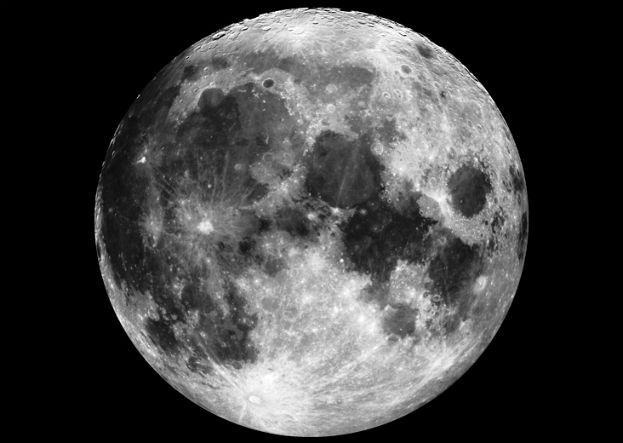
neck thrown back, arms stretched up, reaching for the belly of the moon.

No comments:
Post a Comment